Airway Training Transformed: A Guide to CPR Manikins
Jan 14th 2026
Effectively performing cardiopulmonary resuscitation (CPR) and critical airway management procedures can be the key to patient survival. For medical students and professionals, mastering these techniques requires more than textbook knowledge. It demands hands-on practice that builds muscle memory, confidence, and precision under immense pressure. This is where CPR manikins become indispensable tools, transforming otherwise passive learning into immersive experiences.
High-fidelity CPR manikins bridge the gap between theory and practice, allowing learners to perform chest compressions, manage airways, and respond to feedback in a controlled environment. By simulating human anatomy and physiological responses, these models help ingrain the skills crucial for life-saving procedures.
Key Features of Highly Effective CPR Manikins
Not all manikins are created equal. Educators should prioritize models that offer realism, durability, and actionable feedback. The best CPR manikins provide a comprehensive learning experience that goes far beyond simple procedural practice.
So, what makes a great CPR manikin? Look for these essential features:
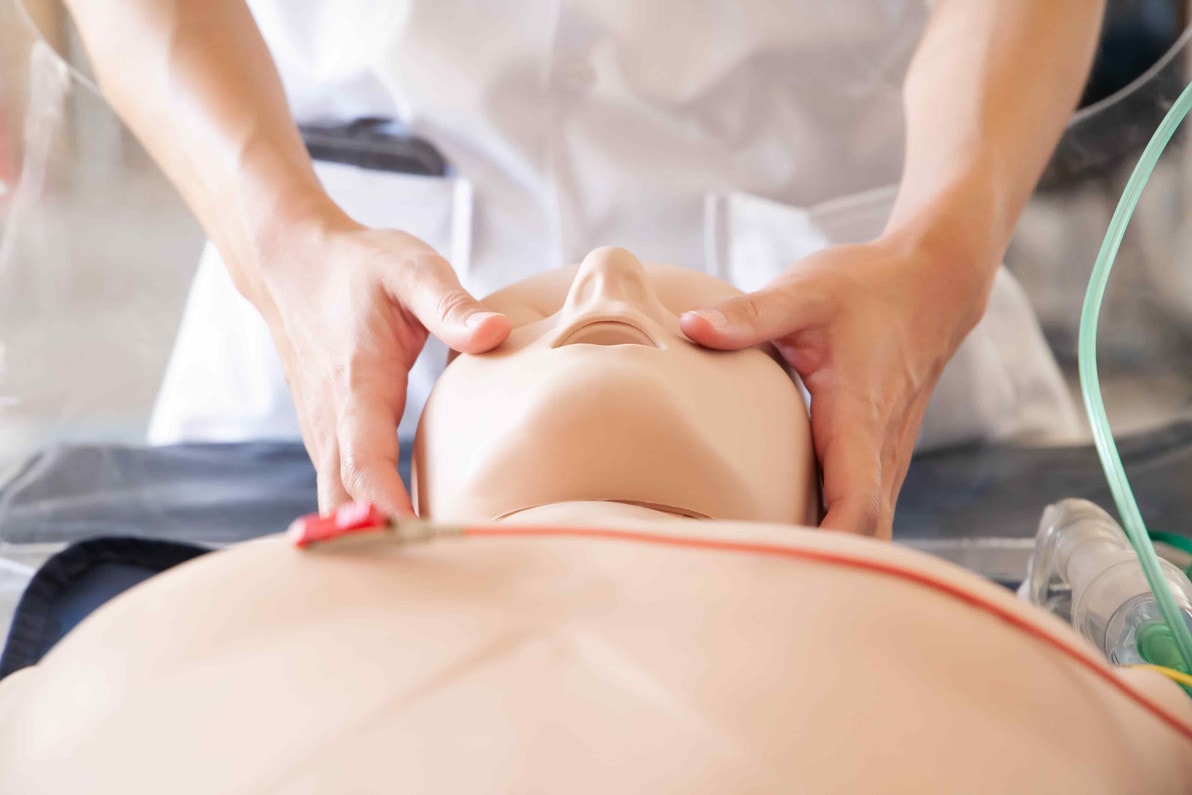
- Anatomical Accuracy: A CPR manikin must have a realistic chest structure, airway, and landmarks. This allows students to practice correct hand placement for compressions and learn proper head-tilt, chin-lift, and jaw-thrust maneuvers for airway management.
- Realistic Compression Feedback: High-quality airway management models provide audible or visual cues to indicate correct compression depth and rate. This real-time feedback is imperative for helping students develop the muscle memory needed for effective CPR.
- Durability: Airway management training tools must be able to withstand repeated, intensive use. CPR manikins engineered with resilient, easy-to-clean materials like silicone or polyurethane foam are a long-lasting investment for educational institutions.
Innovations in Airway Management: What Is a QCPR Manikin?
Modern technology has elevated CPR training to a new level of speed and precision. Quality CPR (QCPR) manikins are at the forefront of this evolution. These advanced models are equipped with internal sensors that measure the specifics of a student’s performance, including:
- Compression depth and rate
- Proper hand release (full chest recoil)
- Ventilation volume and rate
- Hand placement
This data is transmitted to a digital application or an external device, providing both instructors and students with a detailed performance summary. QCPR technology enables educators to monitor multiple students simultaneously, identify common mistakes, and provide targeted coaching to improve technique.
Practical Considerations for Medical Educators
When integrating high-fidelity anatomical models and hands-on simulation tools into a curriculum, make informed decisions by understanding the cost, material composition, and maintenance requirements.
How Much Do CPR Manikins Cost?
The cost of CPR manikins typically falls between $150 and $12,000, but pricing varies widely based on materials, features, and fidelity. Basic models designed for simple compression practice can be relatively inexpensive. Advanced airway management manikins like QCPR models represent a more significant investment. While budget is an important factor, it’s essential to view high-quality manikins as an asset that enhances educational outcomes and better prepares students for clinical environments.
Where Can I Buy a CPR Manikin?
CPR training manikins are purchased through specialized suppliers of medical education resources, such as Anatomy Warehouse. When considering suppliers, look for a company that offers a wide range of models – from basic torsos to advanced, full-body manikins – at various price points. Reputable suppliers always provide detailed product information and professional support to guide you toward the optimal tool for your program’s needs and learning objectives.
Maintenance & Care for Airway Management Models
Proper care ensures the longevity and hygiene of your training equipment – and that process starts with understanding what CPR manikins are made of. Most modern training manikins are constructed from durable materials like PVC, silicone, and rubber. These materials respond differently to various cleaning agents and sanitation methods. So, check the product care guide from the manufacturer to identify the right approach to cleaning and care. This approach will preserve the integrity of the manikin’s surface, prevent internal hardware damage, and maintain a safe learning environment.
How to Clean CPR Manikins & Airway Management Models
Since many CPR manikins require mouth-to-manikin contact, routine sanitation is essential to maintaining a safe, sanitary classroom for students and educators alike.
After every airway management training session, follow these general guidelines:
- Disassemble: Carefully remove any detachable parts, such as the face “skin” and airway components.
- Clean Surfaces: Wipe the manikin’s torso and face with a solution of soap and water or manufacturer-recommended disinfectant wipes. Avoid abrasive cleaners and tools that could damage the material.
- Sanitize Internal Components: The lungs and airways require thorough cleaning. If appropriate according to manufacturer’s guidelines, submerge these parts in warm, soapy water, rinse them thoroughly, and then sanitize them according to the product instructions.
- Air Dry: Allow all components to air-dry completely before reassembling the manikin. This prevents moisture buildup and potential mold growth.
Investing in the Future of Medical Education
Well-designed CPR training manikins enable a realistic, hands-on classroom experience that helps learners grasp nuanced techniques and build confidence for real-world clinical scenarios. The tangible improvement in skill performance and preparedness they offer can directly impact patient outcomes and elevate medical education standards, making high-fidelity airway management tools a worthy investment for the future of patient care.
Ready to enhance your training program with industry-leading simulation resources? Explore Anatomy Warehouse’s extensive collection of CPR task trainers and airway management manikins to find the perfect solution for your educational needs.
Share: