The Power of Model Organisms in Medical Education
Jan 12th 2026
Behind every ground-breaking medical advancement, from gene editing to imaging systems, stands a quiet but essential contributor: the model organism. These species serve as accessible, ethically manageable stand-ins for human biology, giving researchers and educators a practical way to explore complex systems and introduce students to real-world scientific thinking.
For today’s medical educators, understanding the characteristics of model organisms and the most common types used in research is key. These organisms anchor hands-on learning experiences, helping students connect foundational concepts to clinical reasoning, diagnostic interpretation, and laboratory practices.
What Is a Model Organism?
A model organism is a non-human species studied extensively to uncover biological processes shared widely across life, including humans. These organisms exhibit sufficient genetic, developmental, or physiological similarity to serve as reliable research proxies, while being simpler and more ethical to work with.
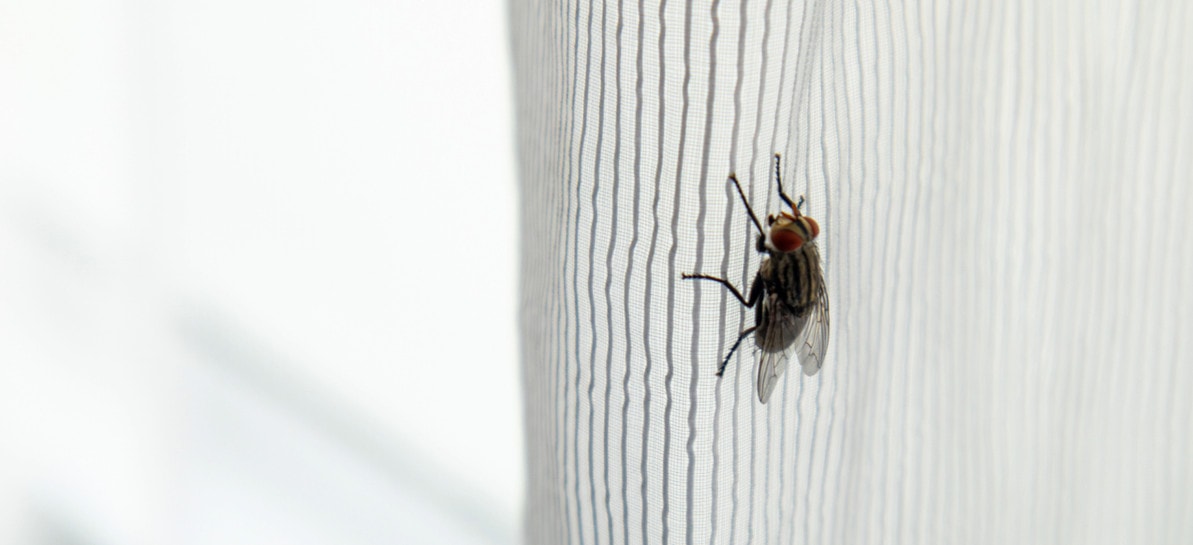
The concept gained momentum in the early 20th century with the work of Thomas Hunt Morgan on Drosophila melanogaster, commonly known as fruit flies, which revolutionized the field of genetics. Today, model organisms inform disciplines ranging from cancer biology to neuroscience, while providing students with clear, hands-on demonstrations of systems that would be inaccessible or unsafe to study directly in humans.
For medical education, they are powerful teaching tools that pair naturally with anatomical models, digital simulations, and procedural trainers.
Key Characteristics of a Model Organism
Not every species qualifies as an effective proxy. Scientists look for specific traits when selecting a model organism:
- Genetic Similarities: The organism must share conserved genes and biological pathways relevant to the research question. For example, approximately 60% of human disease genes have functional equivalents in fruit flies.
- Short Generation Time: Rapid reproduction allows students, educators, and researchers to observe multiple generations quickly, making it easier to study inheritance patterns, mutations, and evolutionary changes.
- Size & Maintenance: Compact organisms that thrive in laboratory conditions reduce costs and storage space requirements while enabling large-scale simulations and studies.
- Easy to Observe & Study: Species with visible embryonic development or simple body plans help researchers track cellular processes in real time.
Well-Established Research Tools: Decades of accumulated data, genetic databases, and experimental protocols make certain organisms particularly valuable for comparative studies.
Comparing Eight Common Types of Model Organisms
Different research questions demand different biological systems. Model organisms serve as essential teaching tools across medical education, helping students connect biological foundations to the applied skills used in laboratory, clinical, and simulation environments. Each species offers distinctive advantages that pair naturally with anatomical models, procedural trainers, and hands-on instructional methods.
Nematode Worms (C. elegans): A Simple, Effective Beginner Model
Caenorhabditis elegans – transparent, microscopic roundworms – are good model organisms because they are simple enough for beginners, yet powerful enough for advanced study. Transparent, tiny, and genetically well-mapped, they allow students to observe development cell-by-cell.
- Fully transparent body reveals real-time development
- Simple nervous system ideal for neuroanatomy concepts
- Only ~1,000 cells – easy to visualize lineage patterns
- Standard microscopes are sufficient; no advanced equipment needed
Educators often pair C. elegans labs with cell-lineage models or neuroanatomy teaching tools to show how basic developmental decisions scale into human systems.
Why Is Drosophila a Good Model Organism?
Fruit flies (Drosophila melanogaster) have long been a gateway into genetics for students. Because the traits are easy to spot and the results appear almost immediately, students begin forming hypotheses, checking their assumptions, and refining their reasoning in a manner that mirrors genuine, research-based thinking.
Why Instructors Rely on Drosophila
- Generations turn over in just a few days, making it possible to run full experiments within a single lab cycle
- Their visible traits help students grasp the logic behind linkage, recombination, and mutation
- They’re incredibly flexible for designing open-ended or inquiry-based assignments
- Educators can connect fly crosses to genetic disease models, family history mapping, or clinical pedigree scenarios
The quick pace of discovery is what makes Drosophila so memorable. Students get immediate feedback on their predictions, which builds confidence and supports the kind of analytical mindset they’ll use later in clinical or laboratory settings.
Hands-On Access to Early Life Stages with Frog Model Organisms
There’s something unusual about watching a frog (Xenopus) embryo develop with the naked eye. No special equipment, no delicate adjustments – just clear, oversized cells rearranging themselves into tissues. Many instructors use frogs to introduce the idea that development isn’t just a sequence of images in a textbook, but a physical, dynamic process. Once students have seen these living changes, it becomes much easier for them to understand congenital abnormalities, tissue differentiation, and the timing cues that shape pediatric development. Pairing live observation with 3D embryology models often helps connect these visual changes to the structural outcomes clinicians encounter later in practice.
Zebrafish Put Organ Function in Motion
Zebrafish offer something unusual in early biology education: the chance to watch organ systems function long before a student has opened a human physiology textbook. The embryos are almost entirely transparent, which means heartbeats, blood flow, and early organ formation are immediately visible under even basic microscopes.
After initial live observation, educators often transition students into a second stage of learning:
- Cardiac anatomy models to compare fish and human structure
- Vascular system displays to interpret circulation more systematically
- Ultrasound or diagnostic simulators to show how clinicians visualize similar processes in patients
The progression closely mirrors what happens in real clinical settings – observe, interpret, then apply – which makes zebrafish an invaluable anchor for introductory physiology and imaging courses.
Mus Musculus (Mice) – Translating Mechanisms into Clinical Insights
Utilizing a mouse as a model organism typically begins with a question rather than a demonstration: How does this disease manifest when it first appears? Depending on the course, students might examine tissue samples, behavioral changes, or metabolic data from mouse models. What they discover often reshapes their understanding of disease as a dynamic process rather than a static condition. To reinforce this idea, educators usually connect these labs to pathology models or standardized patient cases, making it easier to understand how molecular disruptions manifest as symptoms in a clinical exam room. The mouse becomes a bridge between mechanism and medicine.
Rats (Rattus norvegicus) – A Gateway into Behavior & Cognition
Rat model organisms carve out a unique space in medical education because of their behavioral richness. Their size makes subtle movements easier to notice: hesitation at a maze turn, interest in a new object, changes in response to stressors. These observations provide students with an accessible entry point into neurobehavioral concepts that can otherwise seem abstract.
In many programs, a simple conditioning trial or maze run becomes the starting point for conversations about addiction pathways, memory formation, or anxiety responses. Instead of moving directly to anatomical models, instructors sometimes shift into psychological assessment tools or neurobehavioral simulators, because the conceptual leap from rat behavior to human behavior is surprisingly intuitive.
This behavioral lens helps future clinicians understand that biology, psychology, and environment often overlap far more than textbooks suggest.
Pigs as a Model Organism for Anatomical Realism
Working with pig (Sus scrofa domesticus) organs or entire preserved fetal pigs introduces an entirely different pace of learning. Students often pause, not because they’re unsure what they’re seeing, but because the tissue feels uncannily familiar. Suturing a pig heart or performing airway insertion on a porcine trachea requires the same gestures students will eventually use in human procedures. These early, tactile encounters are typically followed by surgical simulators or full-body procedure manikins, where the context becomes more complex and time-sensitive. Pig-based training excels at making the leap from “I understand this” to “I can physically do this.”
Yeast Helps Molecular Biology Click
Saccharomyces cerevisiae, commonly known as yeast, is a fast-growing, forgiving, and remarkably responsive organism. Students can adjust temperature, nutrients, or gene expression and see the results within hours – a pace that makes invisible processes like glycolysis or DNA repair feel tangible instead of theoretical.
In most classrooms, yeast works well for:
- Quick transformation or metabolic assays
- Testing how environmental changes affect growth
- Introducing experimental design and variable control
- Comparing live results to DNA or molecular process models
After students run a few simple tests, instructors often transition to DNA replication models or virtual molecular simulations. Seeing immediate changes in yeast cultures helps students understand the “why” behind those models, and builds an intuitive sense of how molecular systems behave in real research settings.
Bridging Biological Insight with Real-World Education
Model organisms bring biological principles to life, offering students and clinicians-in-training valuable hands-on experience that deepens understanding beyond lectures alone. Whether examining cell fate in C. elegans, tracking inheritance in fruit flies, or practicing procedural skills with porcine organs, these organisms create meaningful opportunities to connect theory with practice.
To support these lessons, Anatomy Warehouse provides a range of preserved specimens, dissection tools, anatomical models, and simulation-based training resources that help educators build comprehensive, engaging learning environments.
Share: